

the after-lives of objects
dylan hester
november 10, 2025
Which objects make us feel whole? What things do we need?
Our relationship with materiality is tentative. We encounter entropy and decay in all aspects of life. Uncertainty surrounds the holding of things, a group exhibition featuring work from sixteen object-oriented artists, investigates the human desire to possess and perceive objects and materials. Individually, these works resist acquisition, ownership, and concepts of subjectivity. Collectively, they converse with one another, transform through time, and challenge us to examine our relationship with them.
Curators Bella Feinstein and Olivia Miller developed these ideas against the backdrop of increasing and inescapable instability throughout our world. Bella says two questions came to her while living in Los Angeles during the 2025 Palisades fires, and observing the ways in which people responded to their material possessions: “What does it mean to have everything destroyed in fire? Where does that place you in relationship to the rest of the social world?”
Death and vitality are not opposites, but rather, coexisting, morphing states of being. In materiality, life and decay exist simultaneously. Ownership is a fundamentally precarious status. Thus, holding may be a more accurate term for such an inclination. If all we know is entropy, then we hold both within and in opposition to uncertainty. Uncertainty surrounds the holding of things invites us to examine the relationship between death and vitality in the material world.
It is said that, by the time you present them to your beloved, the bouquet of flowers is already dead. But your beloved does not believe they are dead. To your beloved, they are bright and aromatic; a vivid proof of care. The flowers are gifted a vase with water and nutrients, and carefully placed on a pedestal to be appreciated for as long as possible, bringing a fresh sense of life into your beloved's home.
If the flowers died when they were cut, is this, then, the after-life? The florist acted upon the flowers, arranged them, re-animated them, and provided a new life. These flowers, in death, are transformed into a physical medium for emotional care in a human relationship. It will not be their last transformation.
Objects and materials animate and re-animate iteratively, in relation with themselves, other objects, the world, and us. In this show, some works are reanimations, reactivations, or resurrections of discarded objects. Are they, too, experiencing after-lives?
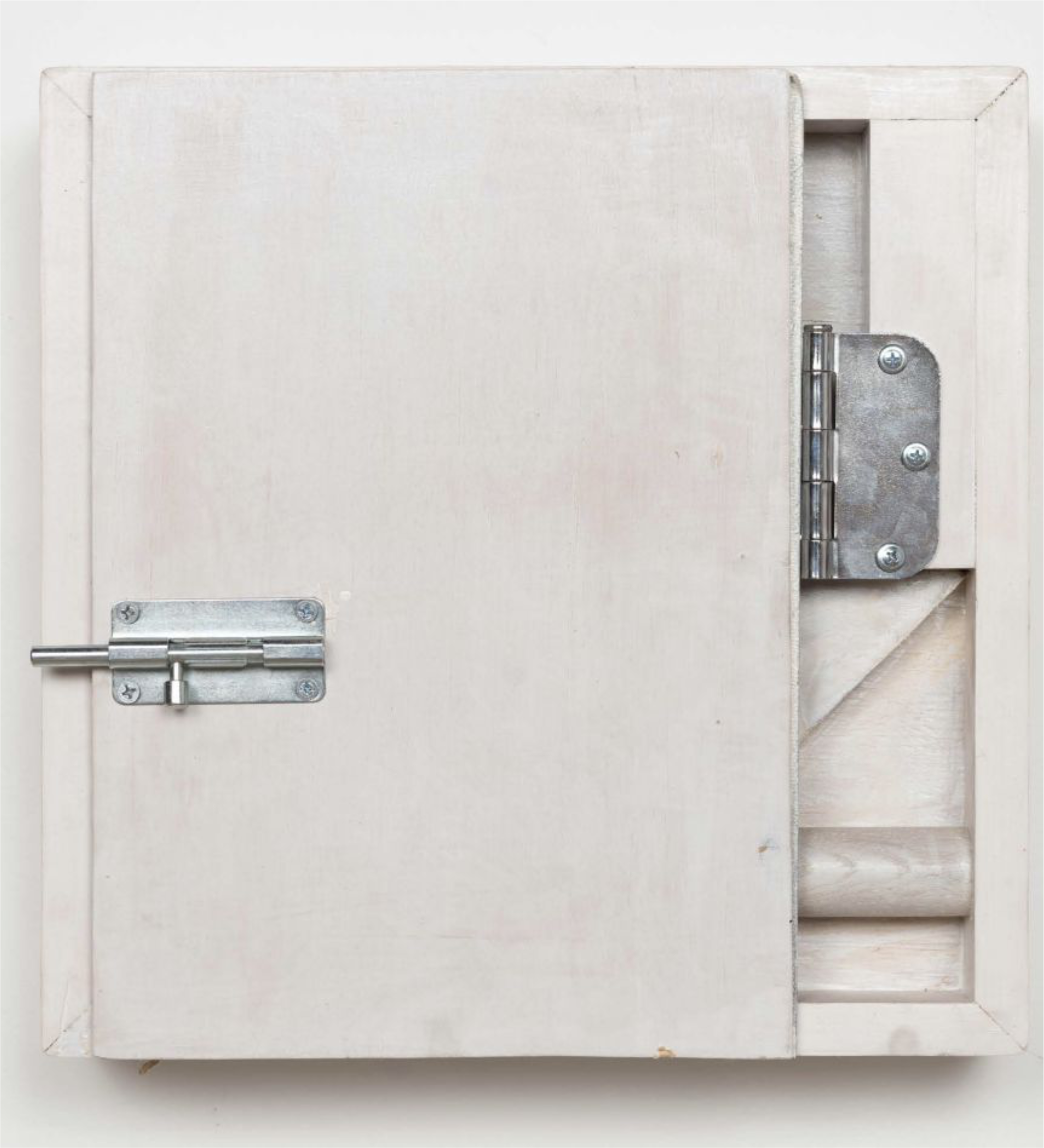
Tallulah Hood works in wood, styrofoam, and discarded furniture. These works are akin to “viewing a domestic space, the urge to look in someone’s medicine cabinet,” Olivia says. “They’re proxies for that act, when you’re in someone’s intimate environment, desiring intimacy and knowing.”
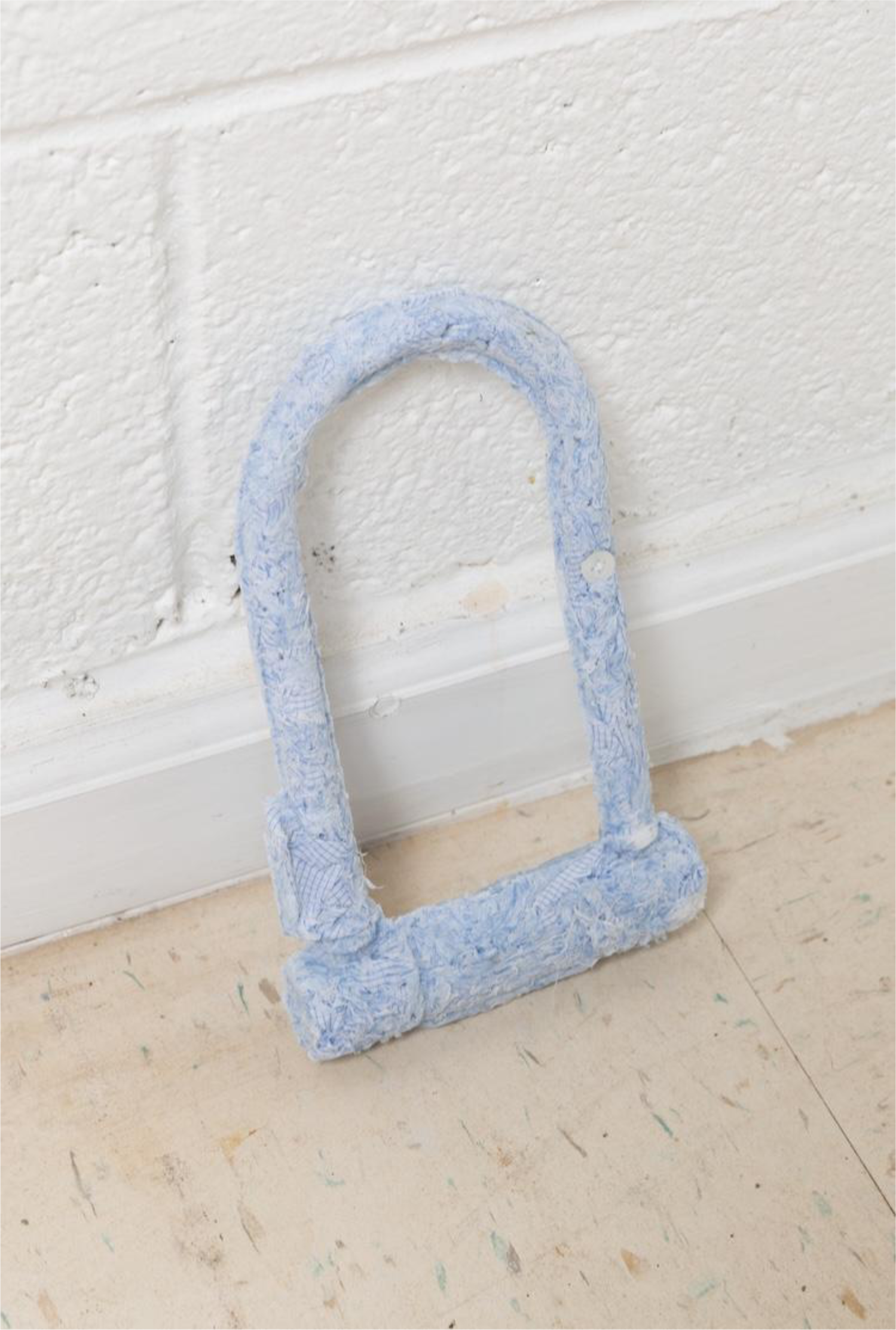
Nate Millstein creates casts of everyday objects which previously labored for us. As these items exit the cycle of consumerism, they lose their perceived value. Uncertainty surrounds aims to change our perception of such value.
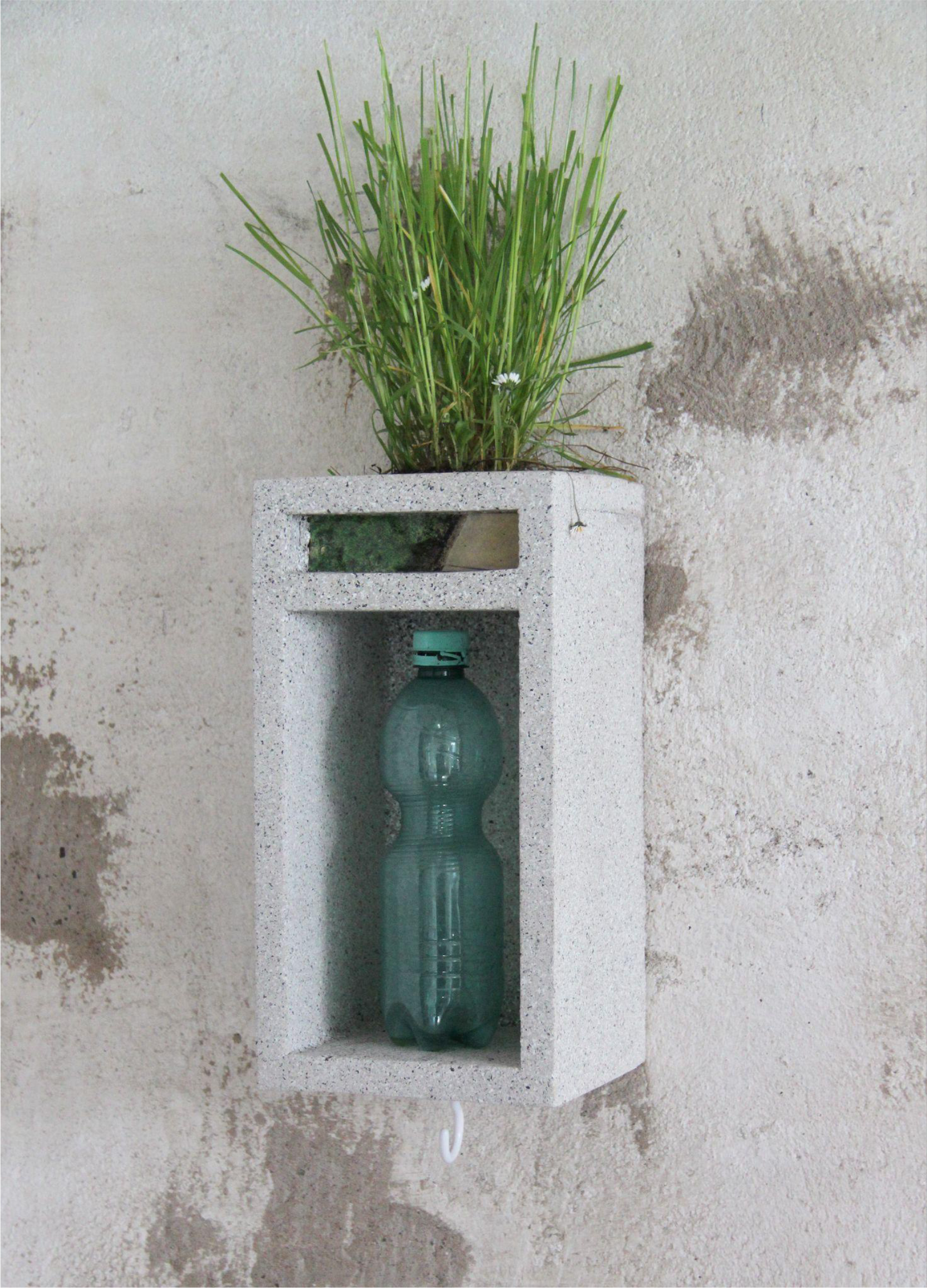
Magnus Emilius reanimates discarded materials (coffee cups, cement pillars, weeds), questioning what qualifies as waste. This work reveals an inherent vitality, personality, and character in the materials. There is a sense of lightness and play here, muddying the boundary between utility and obsolescence.
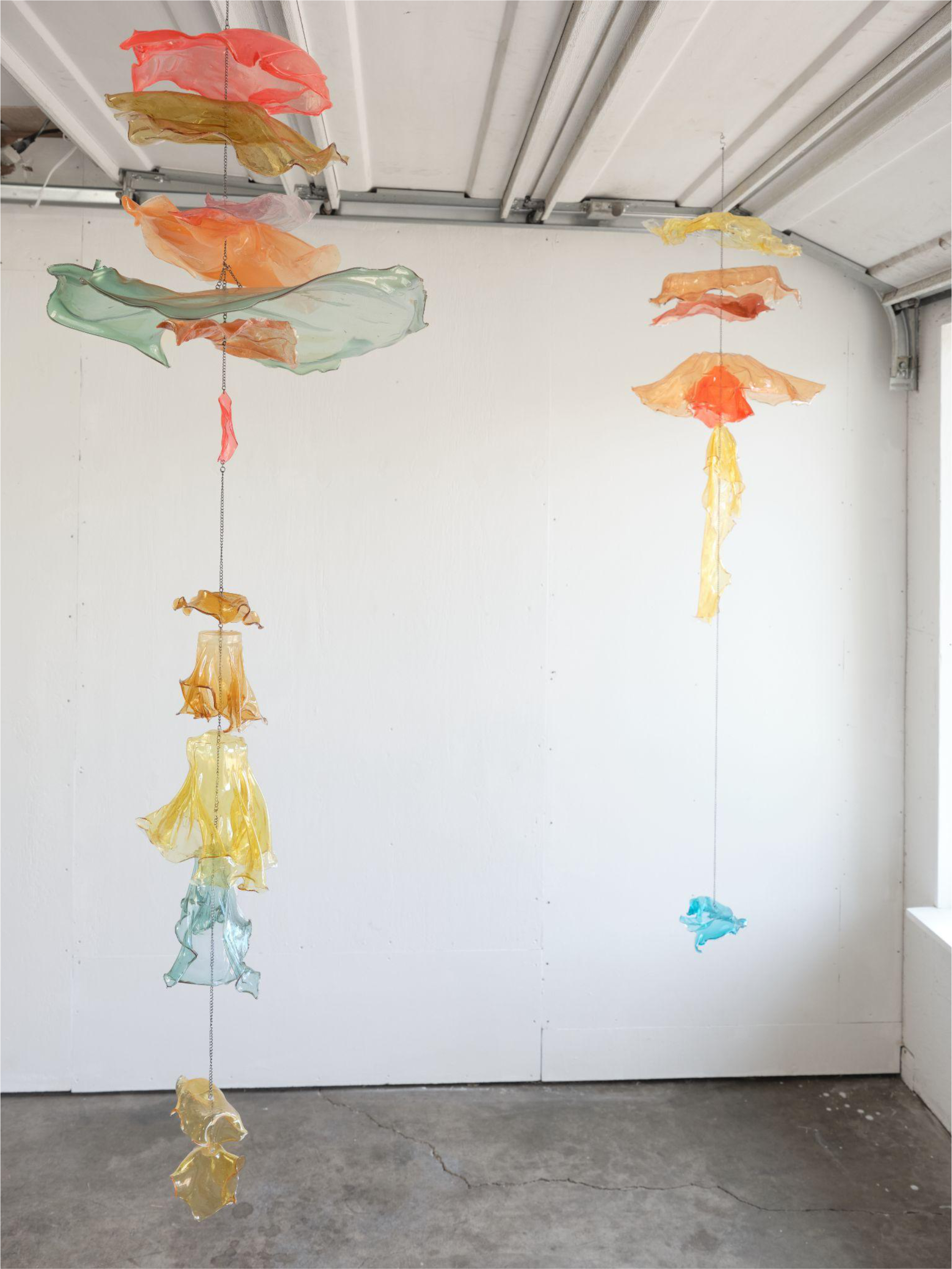
Noelle Herceg works in gelatin, a material which will naturally change in color throughout the exhibition. This color-morphing reminds us of the uncontrollable undercurrent of memory, which is transformed through time in unexpected ways.
As these objects morph through time and decay, they also communicate with one another. In this show, Seattle Freezer and Francesca Lohmann collaborate directly, with Lohmann exhibiting a work inside the Freezer. Here we find another example of holding through uncertainty, of objects understood in relation with one another.
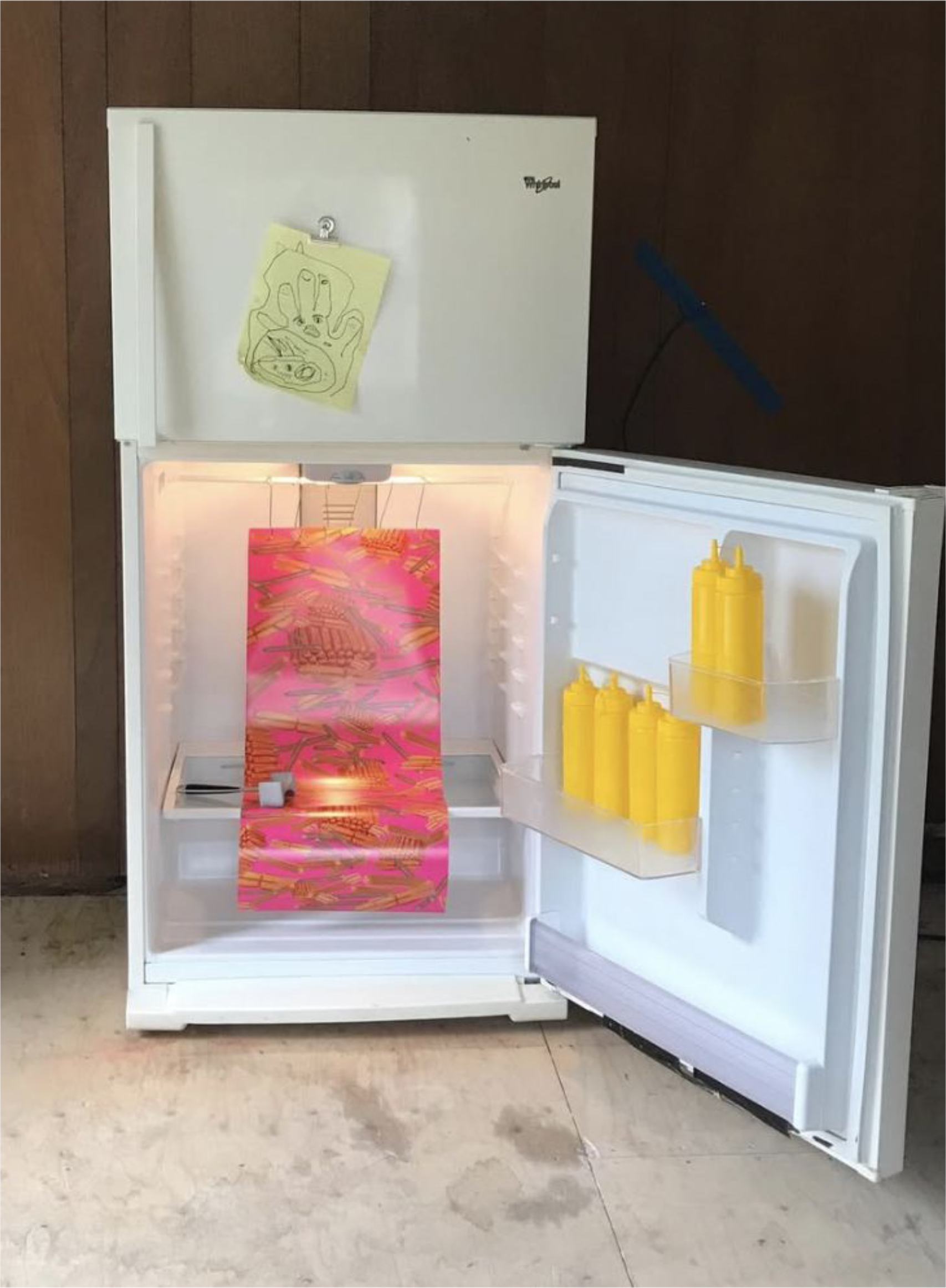
Seattle Freezer is a husband-wife duo, both of whom work in museums. Their museum work informs this conceptual project, showcasing art in literal freezers, coolers, and refrigerators. Our human need to preserve the value of our objects is not unlike our need to preserve our food to last through the winter. Here, the fridge is a space to hold the art, a preservation tool.
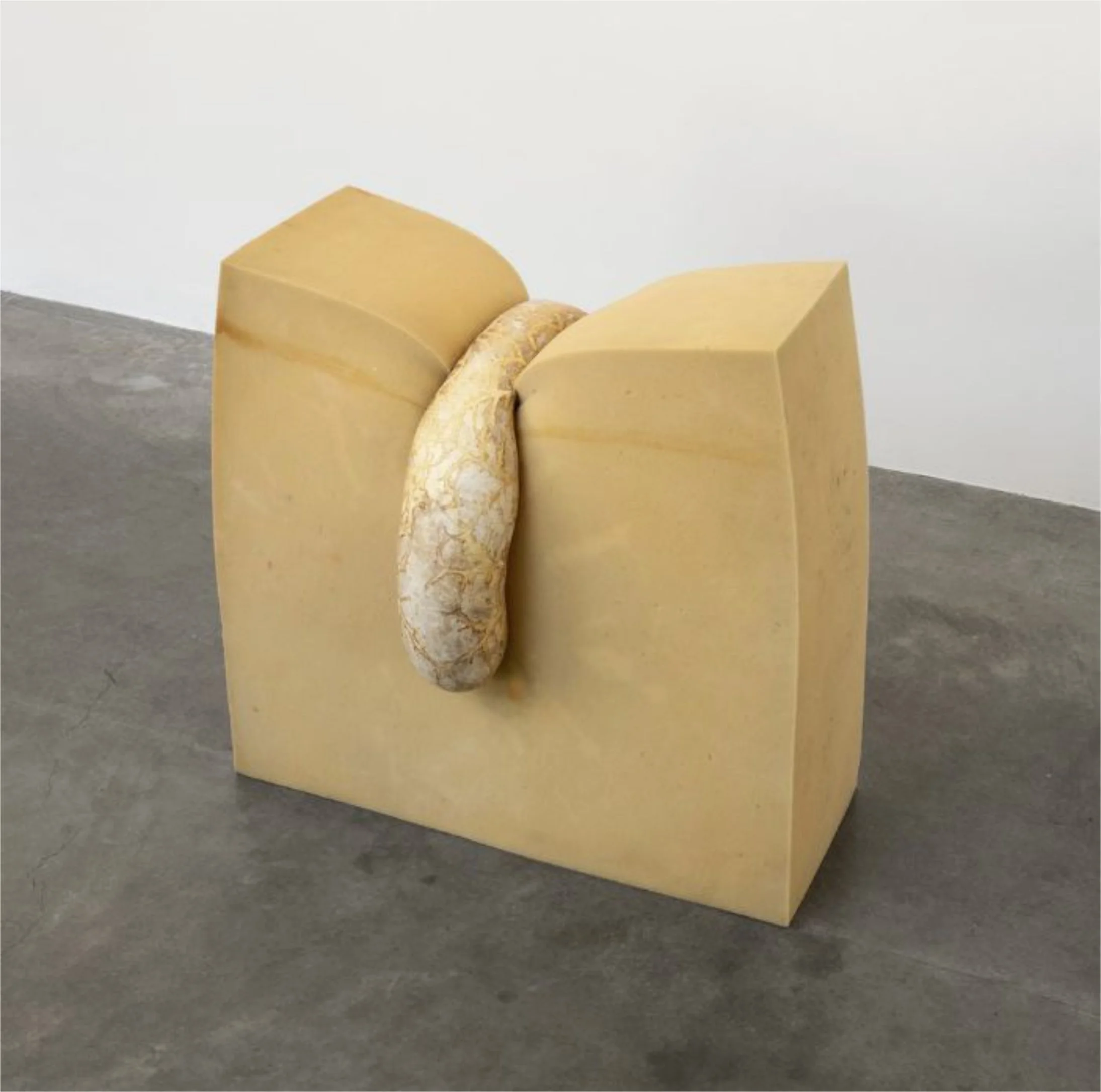
Francesca Lohmann often works with glass and florals, but not exclusively. She also works with an Italian sausage maker, who sends her sausage skins, which she turns into sculptures using resin.
Such holding extends beyond the object realm and into the human. Lohmann's name is mentioned several times as Bella and Olivia tell me about the relationships between artists that helped bring this show into existence: friendships, collegial relationships, serendipitous connections. “This show evolved over many conversations,” Olivia says, a note that is reiterated throughout our discussion. One could say that human relationships are a hidden ‘material’ existing through all this work.
And sometimes not-so-hidden.
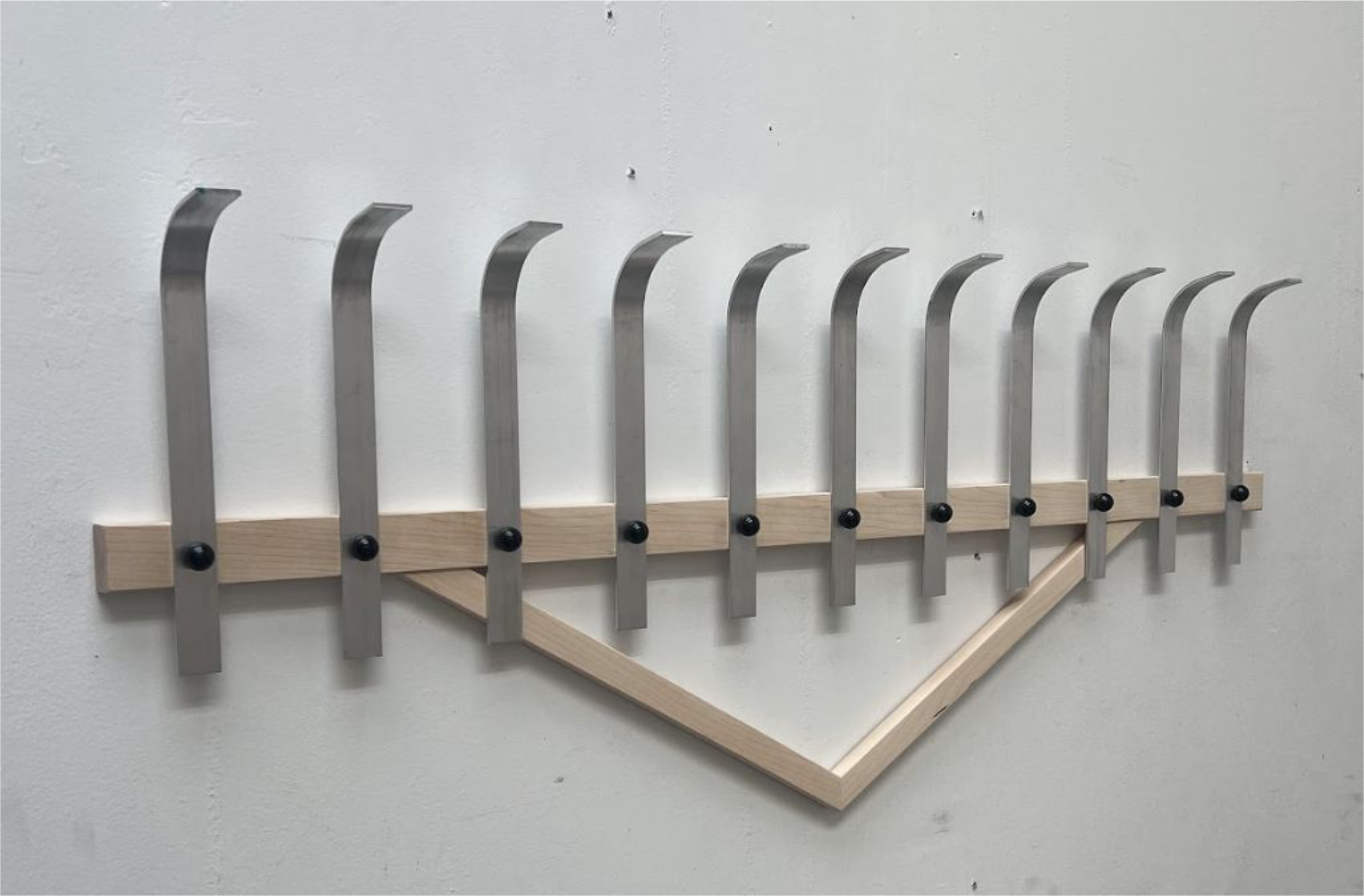
Ingemar, who also works as Marmar Studio, created an unusable version of rake. Behold as this universally-recognized, profoundly functional tool is rendered handleless and inutile. These artifacts challenge our ability to possess them—sometimes by literally removing the handle. You can't get a grip, and yet, the object persists.
It is as if the artists are “plucking anonymous objects from our daily lives,” Olivia says, casting a spell on them, and resurrecting them in unexpected ways that defy our understanding. To say these objects are experiencing after-lives is to say we deal with the post-utility lives of things. Bella notes that, in 2025, we do not think about recycling the way we did just ten years ago. What happens when functional objects exit the cycle of consumerism and lose their value? Do they become used up?
Once we exit the realms of function, productivity, and capital, our familiar logic may be thrown from the conversation. What is trash? What does it mean to re-cycle? Complications arise as we answer these questions, and they aren't all serious, deathly, or ontologically-precise. Humor, too, is a part of this show.
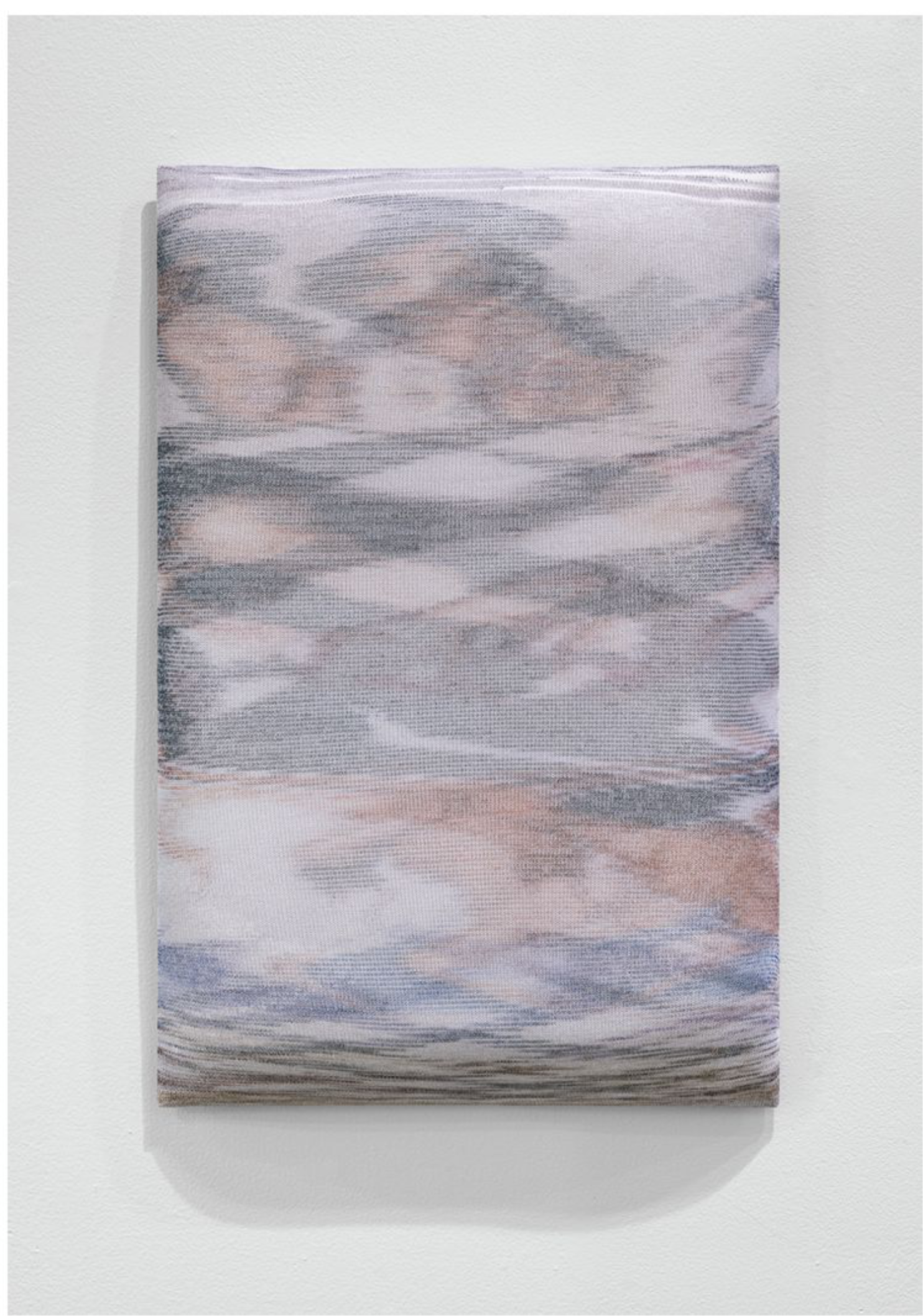
Hyun Jung Jung works primarily in textile. The familiarity of the medium communicates a sense of longing, material affect, the emotions carried by materials. Their work recreates the nostalgia and intimacy of family photography with the tactile 'thingness' of textile.
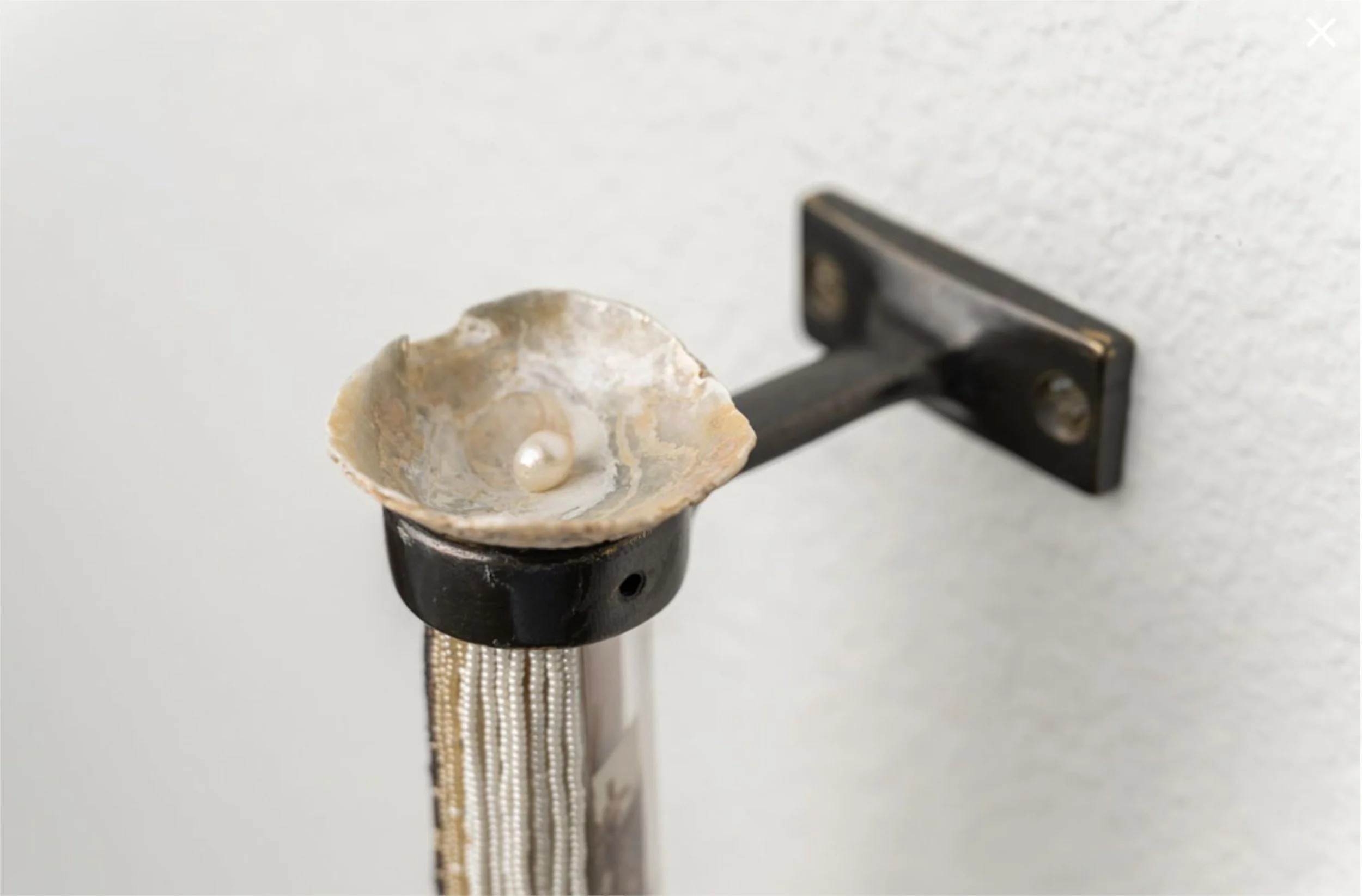
Epiphany Couch incorporates family photographs, as well as ritual items and domestic objects, into her storytelling. Here, materials function as a manifestation of memory re-animating itself into the present moment.
It is said that the art object, the artifact, is simply what is left behind from one's work; the snake shedding its skin; the record of work. Such an object is a literal proof-of-creation and yet, it can only hold so much. It is not infinite. Much goes unpreserved and unarchived. Even so, ghosts, traces, and prints still linger within each object.
Financial considerations and the practicality of shipping informed some exhibition choices as well. The lives of these objects do not stop when the show is over. They too must travel the country, boxed, packed, given over to the shipper and exposed to the entropy of human transportation systems. Resources must be allocated to pay for these transportation services, and humans must provide labor and accountability when packing, sending, transporting, and receiving each object.
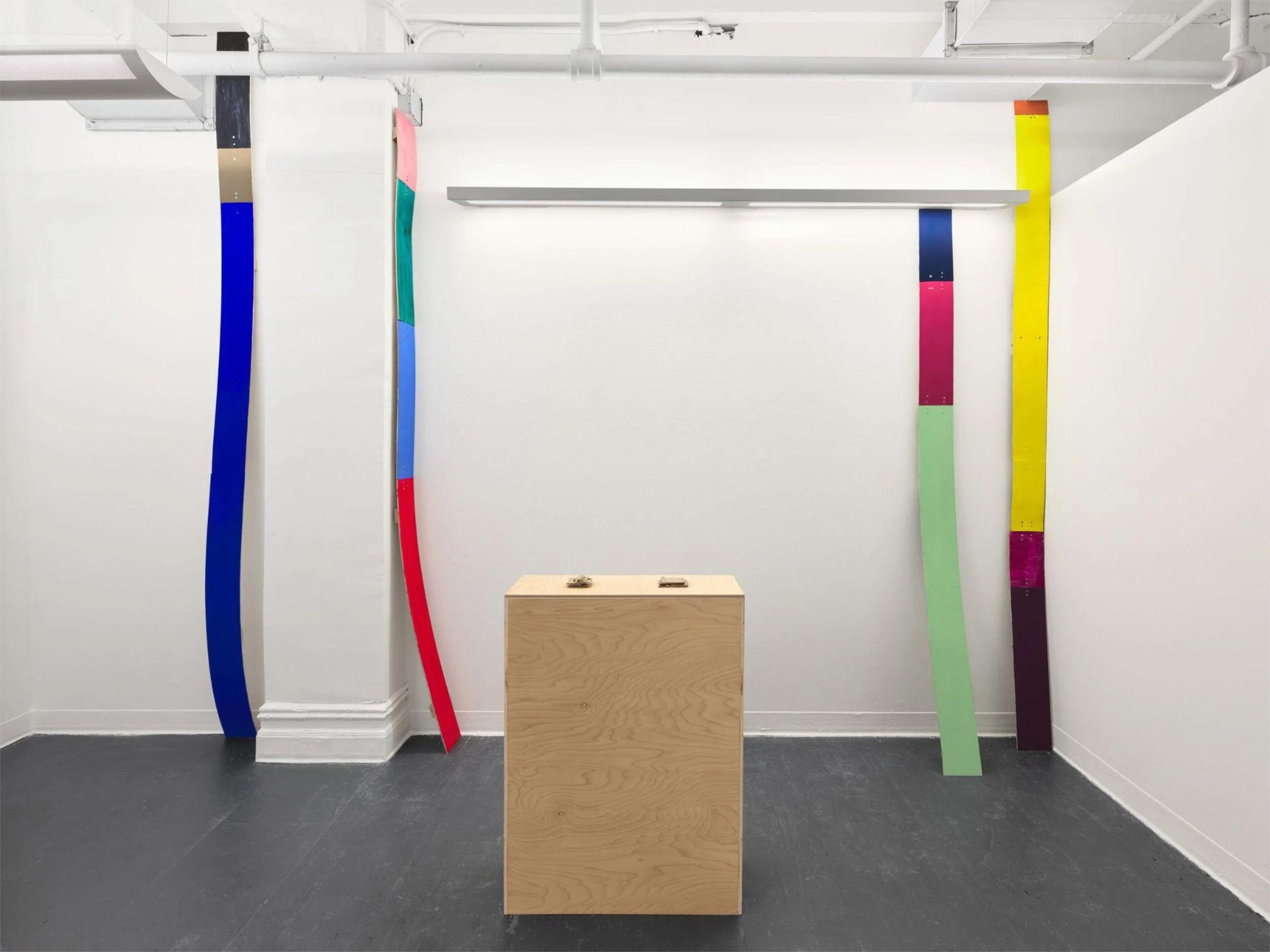
Al Svoboda's work considered architecture and infrastructure, comprised of shapes and forms. For this exhibition, he created ephemeral works on paper that mirror his larger sculptures, which appear in a vieo being bent until they snap. Documenting such deliberate destruction of materials challenges the sense of possession we assign to art objects.
Finally, we must consider time. After all, we are dealing with not only materiality but materiality-through-time. Time, like the relationships that brought these artists together, is not only a force which impacts all of the work in this show. For some artists, it is a primary material itself.
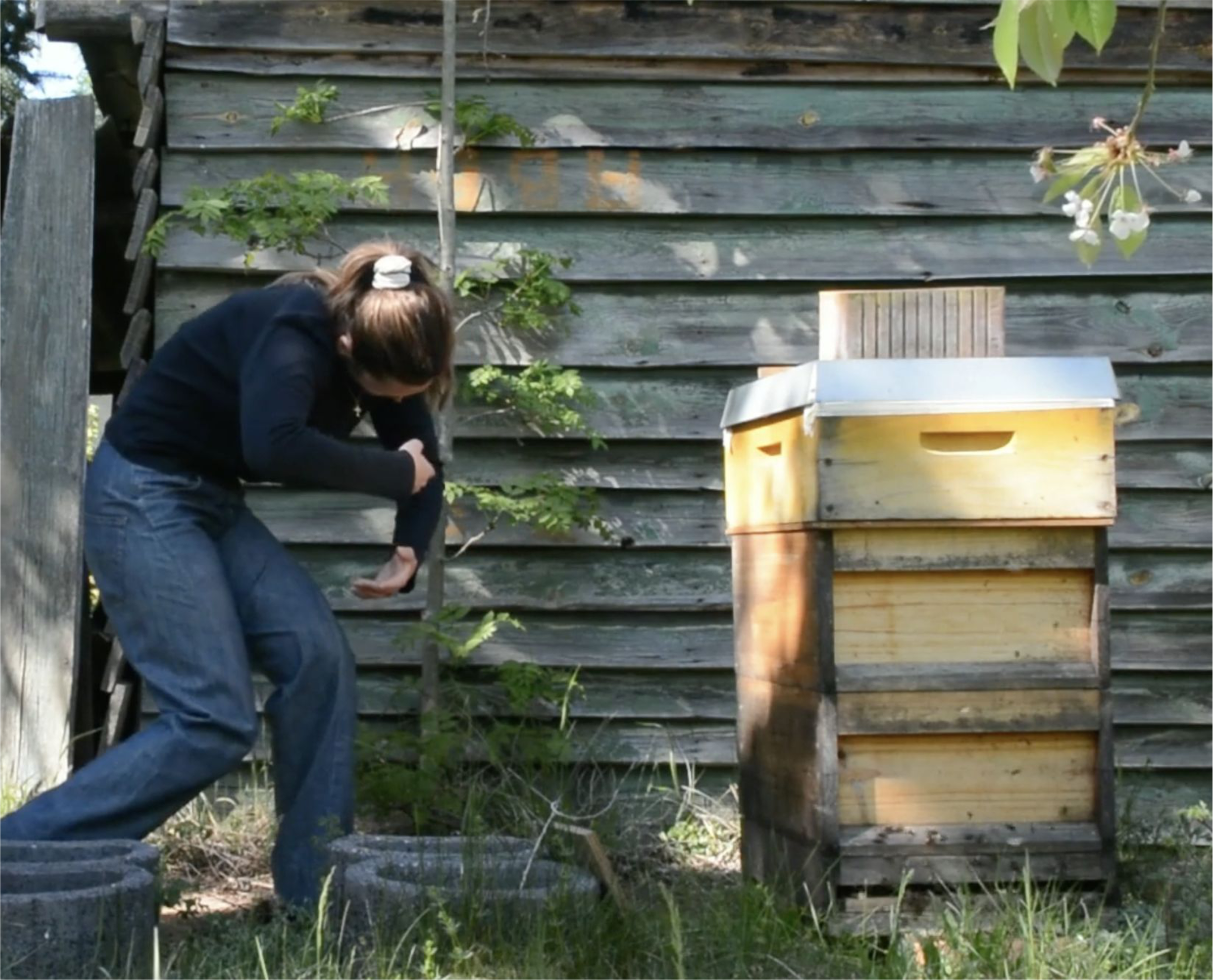
Marketa Fagan, a choreographer based in Prague, offers a video piece documenting a series of movements between two active beehives, set to the sound of a clock. We observe two different concepts of time: human time and beehive time, interacting and morphing each other. With every limb of the body in motion, Marketa provides a commentary on productivity and time as a material possession.
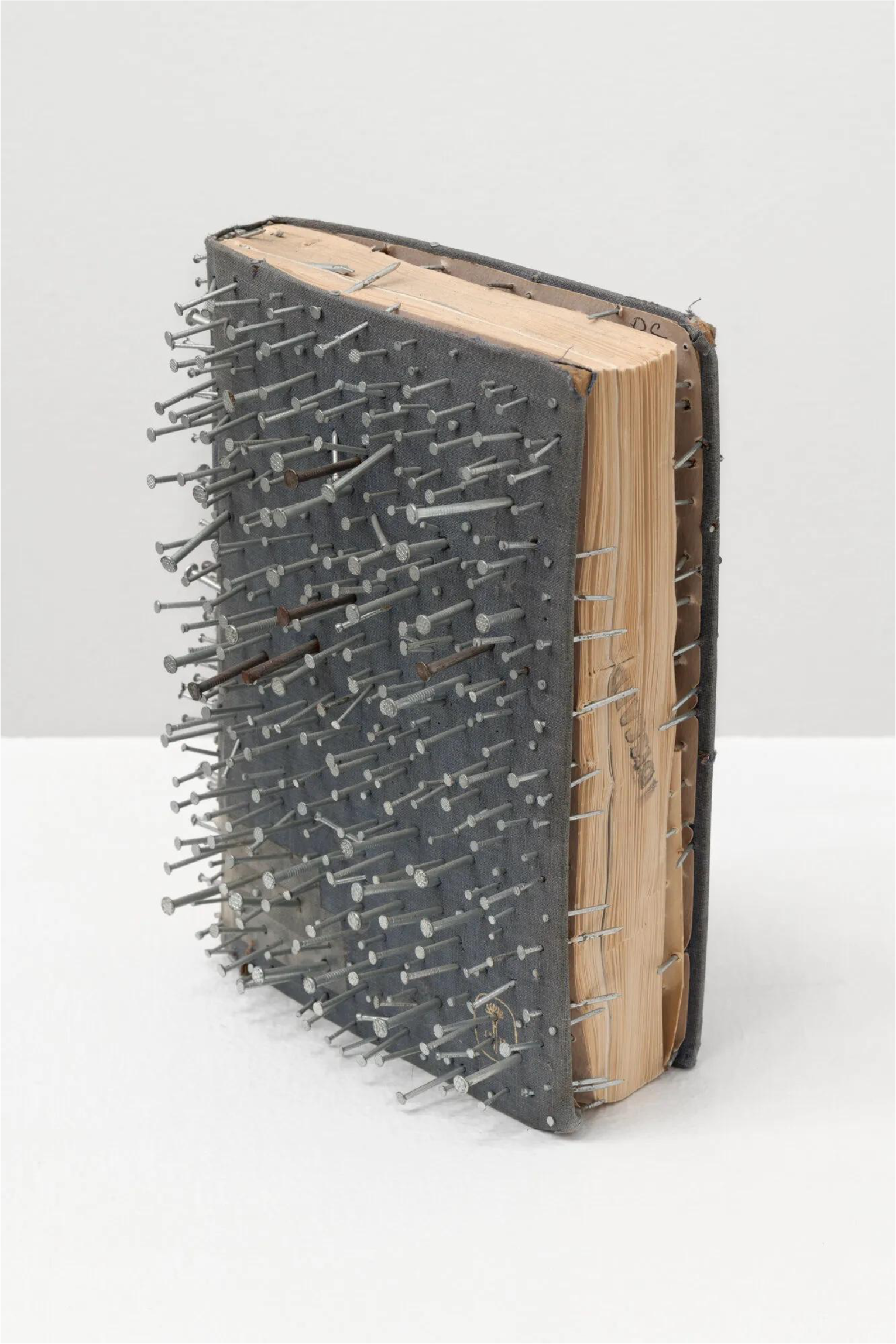
manuel arturo abreu, a non-disciplinary artist and writer, presents work which gains texture, character, and uniqueness through wear and age. These items accumulate patina, becoming, in some cases, non-legible. Their 2016 essay, ‘Notes on the Garage Residency,’ explores the object ephemerality of their non-disciplinary practice.
What holds the work of these sixteen artists together, this constellation of bewildering objects, is their collective embrace of uncertainty, entropy, and uncontrollable change. We are dealing with the fragility-perseverance paradox. Survival through time does not mean something is not fragile. Fragility both strengthens and threatens perseverance. Perhaps one cannot exist without the other.
At the end of our discussion, Bella and Olivia reiterate their belief that artistic presentation and preservation is ideologically suspect. “We are asking our viewers to do some work,” Bella says, “and to think about the ways that they perceive things in their day-to-day life. What happens when you break that framing?” Uncertainty surrounds requests intellectual labor from its viewer, in the form of active interpretation and interaction. Can we change these objects by changing how we perceive them? And will they change us in the process?
Uncertainty surrounds the holding of things opens November 14 and runs through the 28th at after/time collective gallery in Portland, Oregon.